FarmAssistance
Soil Moisture and Irrigation Scheduling: A Beginner's Guide
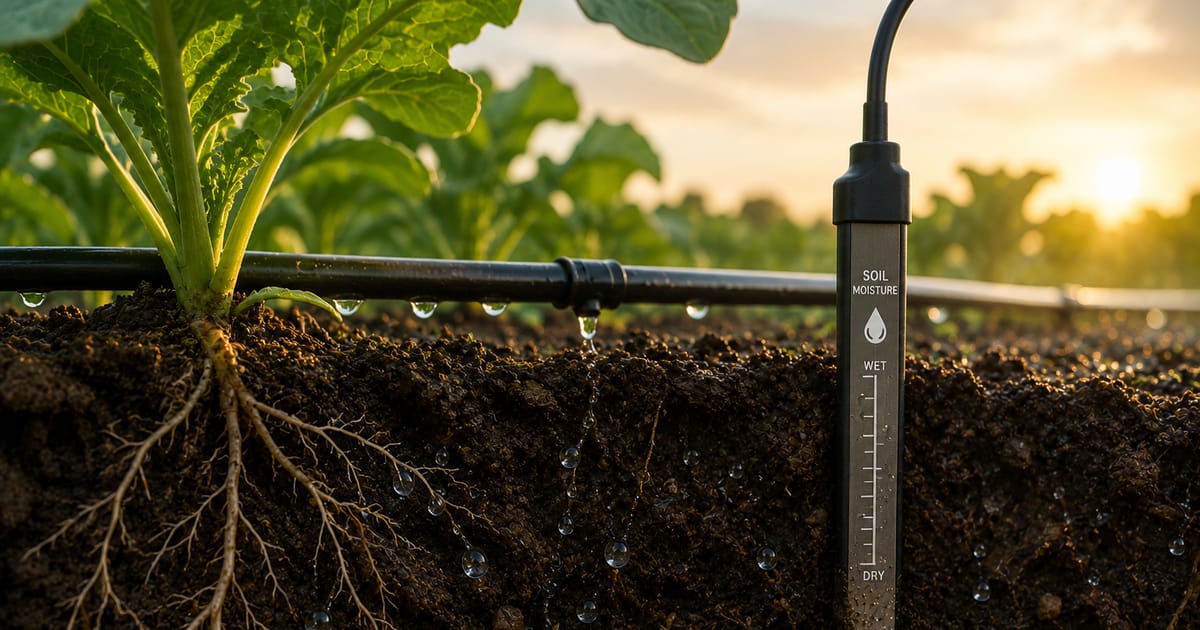
"Water every three days" is easier to remember than it is to get right. Rain, temperature, soil type, and crop stage all change how much water a field actually needs on any given day — a fixed schedule ignores all four. Irrigating by soil moisture instead of by the calendar is more work up front, and it reliably saves water and reduces stress on the crop.
Why fixed schedules fall short
A calendar-based schedule waters the same amount whether it rained yesterday or hasn't rained in two weeks. The result is usually one of two failure modes: overwatering after rain (wasting water, leaching nutrients, and risking root disease in heavier soils), or underwatering during a hot, dry stretch when the crop actually needed more than the schedule provided.
What soil moisture actually tells you
Soil moisture — whether measured with a probe, estimated from recent rainfall and evapotranspiration, or simply checked by feel at root depth — answers the one question a calendar can't: how much plant-available water is actually in the ground right now. The general goal is to keep moisture within a workable range for the crop and soil type:
- Too dry: the crop draws down available water faster than roots can replace it, and yield-limiting stress sets in — often before visible wilting.
- Too wet: root zones become oxygen-poor, which can be just as damaging as drought stress for many crops, and increases disease risk.
- The workable middle: varies by crop and soil texture — sandy soils drain fast and need more frequent, lighter irrigation; clay soils hold water longer and need less frequent, deeper irrigation.
A simple scheduling approach
- Know your soil type. Sandy soils typically need irrigation more often, in smaller amounts. Clay and loam soils hold more water and can go longer between irrigations, but need more water per session to reach root depth.
- Check moisture before you irrigate, not after. If moisture is already adequate at root depth, irrigating anyway wastes water and can push the field toward the "too wet" failure mode instead.
- Account for recent and forecast rain. A significant rain event can fully replace a scheduled irrigation — check the actual forecast, not just what happened at your house yesterday, since farm-level rainfall can vary meaningfully even a short distance away.
- Adjust for crop stage. Water demand isn't constant through a season — most crops have a peak water-demand window (often around flowering or fruit set) where moisture stress does the most damage to final yield.
- Log what you actually did. Recording irrigation events (date, field, amount) is what lets you compare "did this field actually get watered enough this season" after the fact, not just guess.
FarmAssistance lets you log soil moisture and irrigation events per field and gives soil-moisture-based recommendations for which fields actually need water — so scheduling by moisture, not the calendar, doesn't mean tracking it all in your head.
Get the appSoil moisture and satellite field health, together
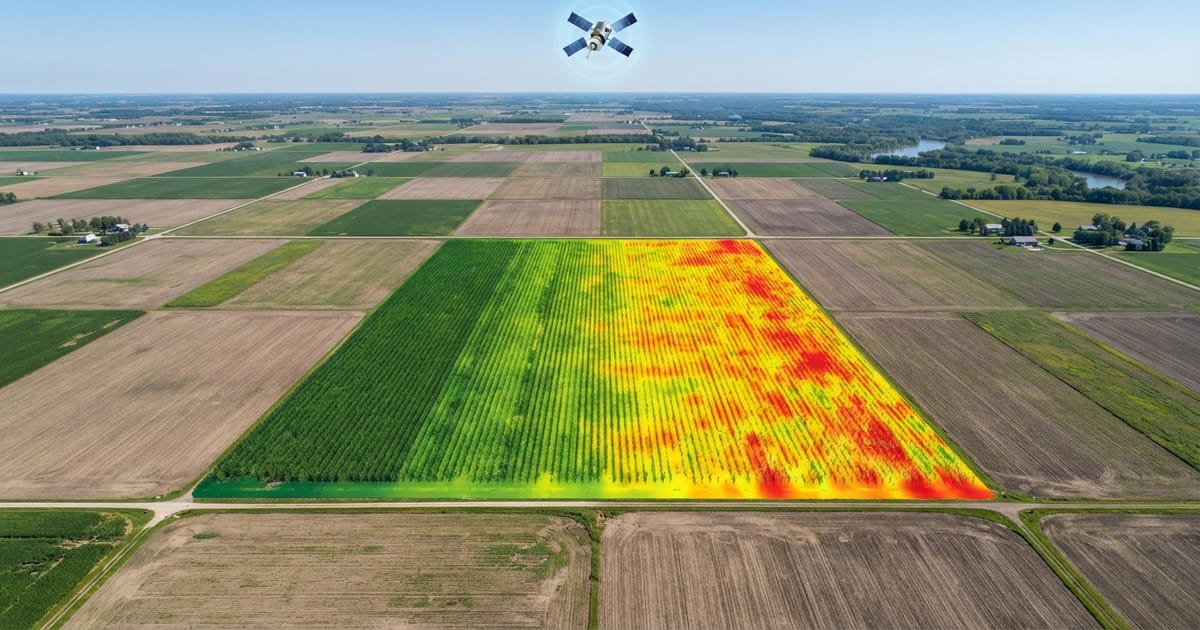
Soil moisture tells you what's happening below the surface right now. Satellite-based vegetation monitoring (NDVI) tells you how the crop canopy is actually responding over time — including to water stress you may have missed. See our guide to NDVI and satellite crop health monitoring for how the two fit together.